

Lip Filler: How Long It Lasts, Swelling Timeline, and How to Prep
By Dr. Bahnmiller, Columbia Shores Regenerative Health
Lip filler has become one of the most popular aesthetic treatments—and for good reason. When done thoughtfully, it can restore balance, enhance natural shape, and subtly improve hydration and definition without looking overdone. One of the most common questions I hear from patients is not “Should I do lip filler?” but rather:
How long does it last?
What does the swelling timeline really look like?
And how should I prepare so everything goes smoothly?
How Long Does Lip Filler Last?
Most lip fillers used today are hyaluronic acid (HA)–based, meaning they are temporary, reversible, and naturally metabolized by the body over time.
For most patients, lip filler lasts:
6–12 months, depending on:
Your metabolism
The specific product used
How expressive your lips are
Whether this is your first treatment or a maintenance visit
First-time patients may notice filler softening a bit sooner, while repeat treatments often last longer as a foundation builds gradually.
We often tell patients to think of lip filler as maintenance, not permanence. The goal is subtle consistency over time—not dramatic changes all at once.
Swelling Timeline: What to Expect After Treatment
Swelling is completely normal after lip filler, and understanding the timeline helps prevent unnecessary worry.
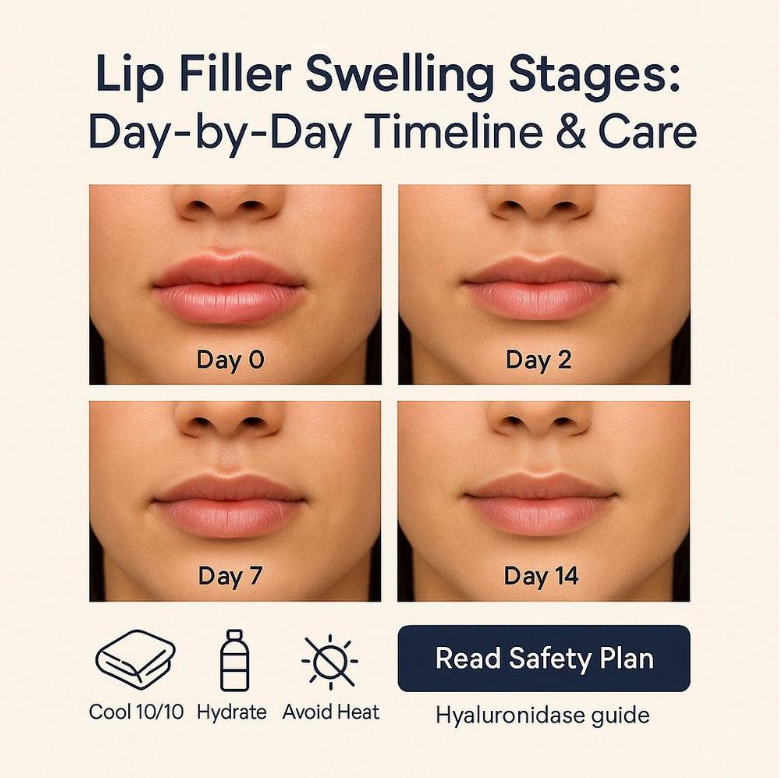
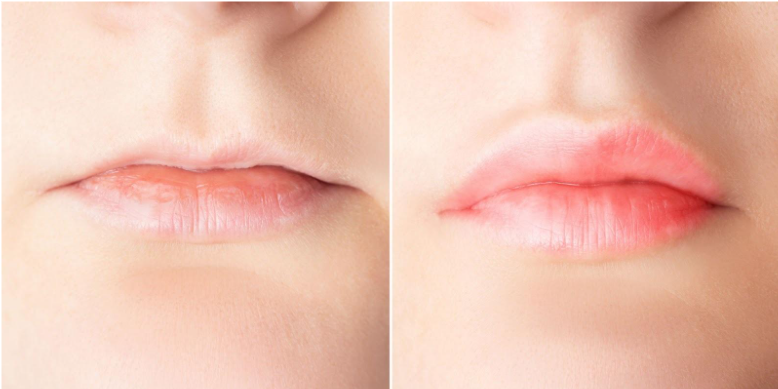
Typical Recovery Timeline
Immediately After (Day 0)
Lips will feel full, tight, and swollen
Mild tenderness or redness at injection sites
This is not your final result
Days 1–3 (Peak Swelling)
Swelling is usually most noticeable
Lips may appear uneven—this is normal and temporary
Bruising can occur, especially for first-time patients
Days 4–7
Swelling steadily decreases
Lips begin to soften and look more natural
Shape becomes more predictable
Weeks 2–3 (Final Result)
Filler has fully settled
Any remaining firmness resolves
This is when we assess whether adjustments are needed
A good rule of thumb: don’t judge your lips for at least two weeks.
How to Prepare for Lip Filler
Preparation plays a big role in minimizing swelling and bruising—and ensuring a comfortable experience.
One Week Before
Avoid blood-thinning supplements if medically appropriate
Fish oil
Vitamin E
Ginkgo
Turmeric
Stay well hydrated (this helps HA fillers integrate smoothly)
48 Hours Before
Avoid alcohol
Avoid intense exercise the day before treatment
Day Of
Arrive with clean skin (no lipstick or gloss)
Eat beforehand—low blood sugar can increase lightheadedness
Expect topical numbing for comfort
After treatment, we’ll review detailed aftercare instructions, including icing, activity restrictions, and what not to touch or massage.
A Thoughtful Approach to Lip Filler
At Columbia Shores Regenerative Health, lip filler is never about trends or extremes. My approach is:
Preserve your natural anatomy
Prioritize symmetry and proportion
Build volume gradually
Keep results soft, balanced, and reversible
For many patients, less filler—placed precisely—creates the best long-term outcome.
If you’re considering lip filler or simply want to learn whether it’s right for you, a consultation is always the best first step. Education, comfort, and realistic expectations are the foundation of every treatment we provide.
— Dr. Bahnmiller